Nana Nana Nana: A Designer’s Real-World Embroidery Review
First Impressions: Bold, Playful, and Full of Personality
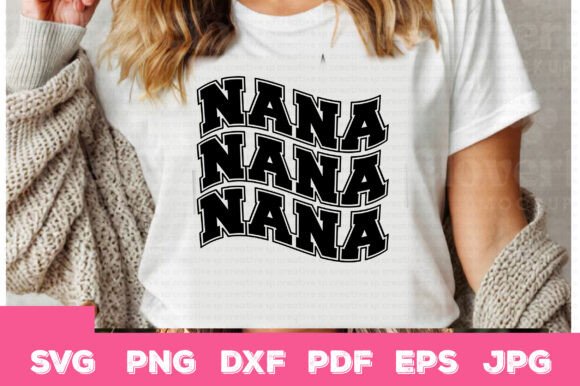
When I first opened the Nana Nana Nana design file, what immediately stood out was its bold, cheeky personality. It's the kind of design that doesn’t just sit quietly on fabric — it makes a statement. The typography is punchy and confident, with just the right amount of whimsy to appeal to a wide audience. It’s perfect for the “mom boss” vibe, blending humor with empowerment in a way that feels authentic, not forced.
From a visual standpoint, the layout is clean but eye-catching. The repetition of “Nana” gives it a rhythmic flow that works well for embroidery, especially when placed on items like tote bags or sweatshirts where readability and impact are key.
Real-World Use: Where Nana Nana Nana Shines
I recently tested this design on a custom embroidered tote bag for a client who wanted something fun and motivational for her boutique line. The result? A hit. The design scaled beautifully without losing clarity, and the stitch definition held up even on a medium-weight cotton canvas.
Here’s where Nana Nana Nana really comes into its own:
- Custom apparel – Works great on sweatshirts and tees, especially oversized fits where the design can breathe.
- Personalized gifts – Makes a perfect addition to baby clothes or toddler hoodies with a playful twist.
- Handmade product lines – Ideal for Etsy sellers looking to add a bit of humor to their shop offerings.
- Holiday and seasonal items – Great for gift tags, holiday tea towels, or embroidered cards.
It’s also surprisingly versatile. I used it on a patch design for a local boutique and was impressed with how well it translated to that format. The clean lines and consistent spacing made it easy to hoop and stitch without any distortion.
Stitch Performance: Clarity, Density, and Fabric Considerations
From a technical standpoint, the stitch density feels well-balanced. The satin stitches are smooth and clean, and the fill areas are dense enough to look solid without being too heavy for lighter fabrics. That said, I’d recommend testing it on a few different stabilizers before committing to a final product.
One thing to keep in mind: if you're using Nana Nana Nana on stretchy fabrics like cotton jersey or baby onesies, make sure to use a firm tear-away or cutaway stabilizer. I noticed slight puckering on a thinner knit until I adjusted the stabilizer and tension settings.
Thread color contrast is another factor. The design works best when paired with high-contrast thread — for example, black text on a white background or bright thread on a neutral garment. I tried a muted pastel thread on a light gray sweatshirt and found the design lost some of its punch.
Where to Use It Carefully
While Nana Nana Nana is a strong performer overall, there are a few scenarios where extra care is needed:
- Small hoop sizes – The repeated “Nana” text can become cramped in tight hoops, so make sure your machine supports scaling without distortion.
- Dark or textured fabrics – The design relies on clean lines, so it may not pop as well on heavy knits or black backgrounds without a white underlay or outline.
- Curved surfaces like caps – I wouldn’t recommend it for curved embroidery unless you have a cap frame and experience with adjusting stitch angles.
- Frequent-wash items – The satin-stitched letters can wear down over time, so consider a protective wash setting or a durable thread if the item will be laundered often.
Also, if you're planning to use this in a commercial embroidery project, make sure to verify the licensing terms before selling finished items or digital products. This is especially important for Etsy sellers and small shop owners offering personalized embroidered goods.
Design Impact: From Visual Appeal to Brand Value
What I appreciate most about Nana Nana Nana is how it elevates the perceived value of a finished product. Whether it's on a boutique tote or a custom baby onesie, it adds a touch of personality that customers respond to positively. It’s not just a design — it’s a conversation starter.
For crafters and creative entrepreneurs, that kind of visual appeal translates directly into buyer engagement. I’ve seen it work well in product listings where the design is featured front and center. It also holds up well in printable mockups, which is a big plus for digital product sellers or those showcasing items online.
In terms of professionalism, the design feels polished and intentional. It’s not overly complex, which makes it accessible for both beginner and advanced embroiderers. That accessibility, combined with its strong visual presence, makes it a solid choice for small business merchandise and handmade gift lines.
Final Thoughts: A Versatile Addition to Any Embroidery Library
After testing Nana Nana Nana across several real-world embroidery projects — from tote bags to sweatshirts to baby clothes — I can confidently say it’s a design that delivers both function and flair. It’s easy to work with, scales well, and brings a sense of humor and confidence to any product it's applied to.
Before using it in your own work, here are a few final tips:
- Test it on scrap fabric first, especially if you're using a new stabilizer or thread type.
- Check the stitch density and adjust if needed for your specific fabric.
- Verify that the design is compatible with your embroidery machine and hoop size.
- Confirm licensing terms before selling finished products or digital embroidery files.
If you're looking for a design that’s both fun and functional — something that can stand up to real use while still making a statement — Nana Nana Nana is definitely worth a closer look.